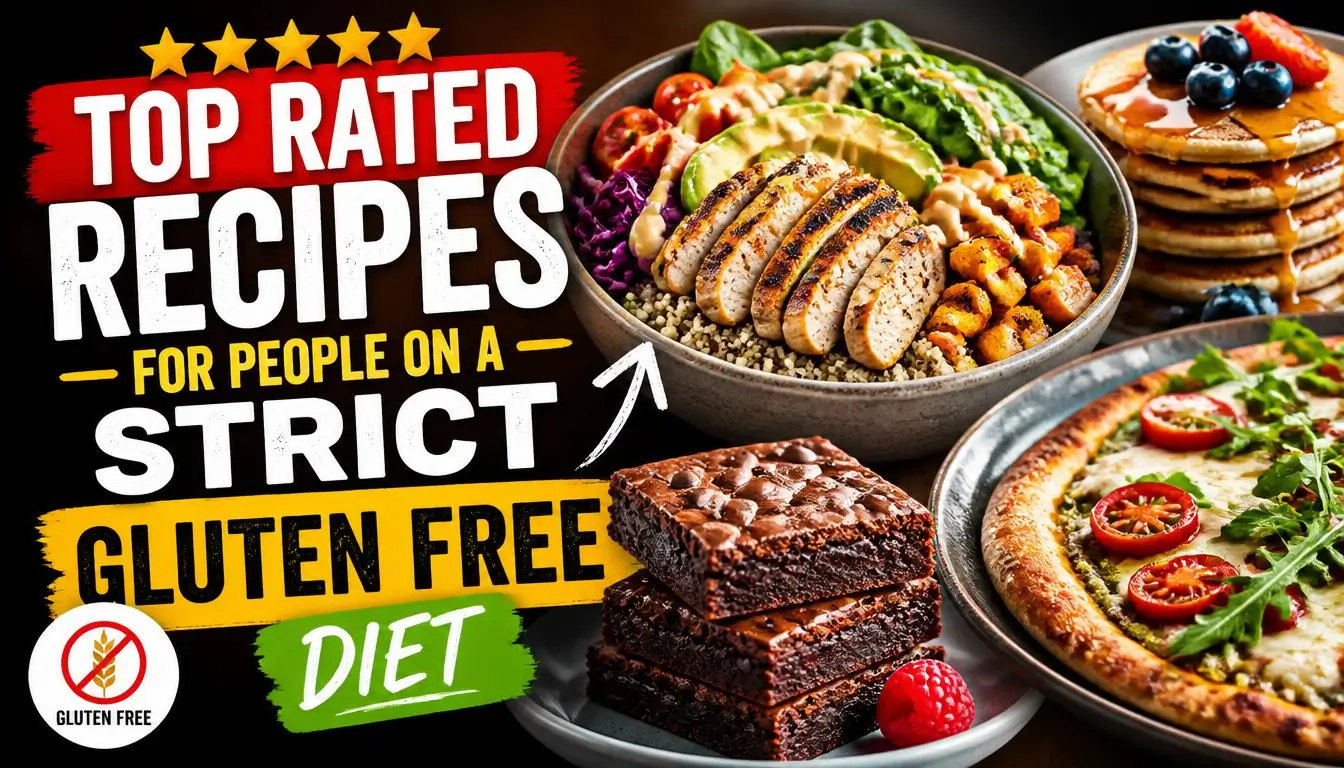
Finding top rated recipes for people on a strict gluten free diet requires a more careful approach than most gluten free content online acknowledges. Strict means something specific: no cross-contamination, no hidden gluten in sauces and seasonings, no casual substitutions that work for someone avoiding gluten by preference but fail someone with celiac disease or a serious intolerance. I have cooked for people with celiac disease long enough to know that the difference between a gluten free recipe and a strictly gluten free recipe is the difference between a meal someone can eat safely and one that makes them sick despite everyone’s best intentions. The recipes below are built around that distinction from the start.
Understanding Strict Gluten Free Cooking Before You Start
Strict gluten free cooking requires awareness of ingredient categories that most cooking content never flags because they are invisible sources of gluten that appear in otherwise safe-looking dishes.
Soy sauce contains wheat in its standard form and is one of the most common hidden gluten sources in home cooking. Tamari, the Japanese soy sauce made without wheat, is a direct substitute available at most grocery stores and Whole Foods consistently stocks it. Oats are naturally gluten free but almost universally contaminated with wheat during processing unless specifically labeled certified gluten free, which only brands like Bob’s Red Mill Gluten Free Oats and GF Harvest reliably provide. Malt vinegar, barley-based beers, and some salad dressings contain gluten in forms that labels do not always make obvious. Shared cooking surfaces present cross-contamination risk that matters for celiac patients: a cutting board used for bread, a pasta pot not thoroughly washed, or a wooden spoon that has touched wheat-containing food all represent contamination sources that require dedicated equipment in a strictly gluten free kitchen.
The good news is that an enormous proportion of genuinely delicious cooking is naturally gluten free without requiring any substitution or compromise. Proteins, vegetables, legumes, rice, potatoes, corn, dairy, eggs, most fats, and most fresh herbs and spices contain no gluten whatsoever. Building a recipe repertoire around these naturally safe ingredients rather than around gluten free substitutes for wheat-based dishes produces better results both in flavor and in safety.
1. Sheet Pan Lemon Herb Chicken Thighs With Roasted Vegetables
Chicken thighs roasted on a sheet pan with vegetables is one of the most naturally, completely gluten free meals available, requiring no substitution, no specialty ingredients, and no modification of any kind. It also happens to be one of the best-tasting easy dinners in any dietary context.
Ingredients for four servings:
- 4 bone-in skin-on chicken thighs
- 2 cups broccoli florets
- 2 medium carrots cut into half-inch rounds
- 1 red bell pepper sliced
- 3 tablespoons olive oil
- 4 garlic cloves minced
- Juice and zest of one lemon
- 1 teaspoon dried oregano
- 1 teaspoon dried thyme
- 1 teaspoon paprika
- Salt and pepper
Preheat oven to 425°F. Pat chicken thighs completely dry with paper towels. Combine olive oil, garlic, lemon juice, lemon zest, and all dried herbs and spices in a small bowl. Rub half this mixture all over the chicken, including under the skin where your fingers can reach. Toss the vegetables with the remaining mixture on a large sheet pan. Nestle the chicken thighs among the vegetables skin-side up. Roast for 35 to 40 minutes until the skin is deeply golden and an instant-read thermometer reads 165°F in the thickest part. The chicken fat that renders during roasting bastes the surrounding vegetables, producing a flavor integration that you cannot replicate by roasting the components separately. Rest five minutes before serving.
2. Naturally Gluten Free Red Lentil Dal
Dal is one of the great naturally gluten free dishes in world cuisine, built entirely from lentils and spices with no wheat-containing ingredient anywhere in the traditional recipe. This version is the weeknight format that takes thirty minutes and produces a thick, protein-rich, deeply spiced dish that satisfies completely without feeling like a compromise.
Ingredients for four servings:
- 1 cup dried red lentils rinsed
- 1 can coconut milk, about 14 oz
- 1 can diced tomatoes
- 1 large onion finely diced
- 4 garlic cloves minced
- 1 inch fresh ginger grated
- 1 teaspoon each: cumin, coriander, turmeric, garam masala
- Half teaspoon cayenne
- Salt
- Juice of one lime
- Fresh cilantro for serving
- Cooked rice or gluten free naan for serving
Heat two tablespoons of neutral oil or ghee in a medium pot over medium heat. Add onion and cook eight minutes until softened and beginning to golden at the edges. Add garlic, ginger, and all spices. Cook two minutes until the spices are fragrant and beginning to stick slightly to the bottom of the pot. Add a splash of water if they are sticking too aggressively. Add lentils, coconut milk, tomatoes, and half a cup of water. Bring to a boil, reduce to a simmer, cook 20 minutes stirring occasionally until lentils have completely broken down into a thick sauce. Season generously with salt and finish with lime juice. The lime juice at the end is not optional: it brightens the entire dish and balances the richness of the coconut milk in a way that makes the difference between a good dal and a genuinely exceptional one.
3. Rice Noodle Pad Thai With Tamari
Pad thai made with rice noodles and tamari instead of standard soy sauce is a completely gluten free dish that requires no ingredient compromise in terms of flavor or texture. Rice noodles are naturally gluten free, tamari is naturally gluten free, and the remaining ingredients, eggs, bean sprouts, green onions, peanuts, and lime, contain no gluten whatsoever.
Ingredients for two servings:
- 6 oz flat rice noodles, specifically labeled gluten free
- 2 eggs
- 1 cup bean sprouts
- 3 green onions sliced
- Quarter cup roasted peanuts roughly chopped
- 2 tablespoons gluten free tamari
- 1 tablespoon rice vinegar
- 1 tablespoon fish sauce, check label for gluten free certification
- 1 tablespoon brown sugar or coconut sugar
- 1 tablespoon sriracha or chili paste
- 2 garlic cloves minced
- Lime wedges for serving
- Neutral oil for cooking
Soak rice noodles in room temperature water for thirty minutes until pliable but not fully soft. They finish cooking in the pan. Mix tamari, rice vinegar, fish sauce, sugar, and sriracha in a small bowl and set aside. Heat a wok or large pan over high heat. Add oil and garlic. Cook fifteen seconds. Add drained noodles and the sauce mixture. Toss constantly for two minutes until noodles absorb most of the sauce. Push noodles to one side, add eggs to the empty side, scramble until just set, fold into noodles. Add bean sprouts and toss thirty seconds. Remove from heat. Top with green onions, peanuts, and lime. Checking the fish sauce label is specifically important for strict gluten free cooking because some brands add hydrolyzed wheat protein: Red Boat brand fish sauce is certified gluten free and widely available.
Top Rated Recipes for People on a Strict Gluten Free Diet: Comfort Food Edition
The recipes that feel most missed on a strict gluten free diet are the comfort food staples that built their reputation on wheat, pasta, bread, and pastry. These versions deliver the same satisfaction through approaches that require no apology or explanation.
Gluten Free Mac and Cheese
Mac and cheese made with certified gluten free pasta and a proper cheese sauce from scratch is indistinguishable from its wheat-based counterpart in flavor and texture, which cannot be said for boxed gluten free mac alternatives that dominate the specialty food aisle.
Ingredients for four servings:
- 12 oz certified gluten free elbow pasta, Barilla Gluten Free and Jovial are the most reliable brands for texture
- 3 tablespoons butter
- 3 tablespoons gluten free all-purpose flour, Bob’s Red Mill 1 to 1 works perfectly here
- 2 cups whole milk
- 2 cups shredded sharp cheddar
- Half cup shredded gruyere or additional cheddar
- 1 teaspoon dry mustard powder
- Half teaspoon garlic powder
- Salt, white pepper, pinch of cayenne
Cook pasta according to package directions in heavily salted water. Gluten free pasta requires precise timing because it goes from perfectly cooked to mushy faster than wheat pasta. Set a timer and taste it one minute before the package suggests. Drain and set aside. Melt butter in a medium saucepan over medium heat. Add gluten free flour and whisk constantly for ninety seconds. This cooks the raw flour taste out of the roux, which is the specific step that determines whether the sauce tastes like proper mac and cheese or like something slightly off. Add milk gradually, whisking constantly to prevent lumps. Cook stirring continuously until the sauce thickens, about five minutes. Remove from heat. Add cheese in three additions, stirring each addition until fully melted before adding the next. Add mustard powder, garlic powder, salt, pepper, and cayenne. Combine with pasta.
Gluten Free Chicken Pot Pie With Rice Flour Crust
Chicken pot pie is the comfort food that feels most lost on a strict gluten free diet because the buttery wheat crust is so central to the dish’s identity. A rice flour and butter crust produces a genuinely flaky, tender result that holds up to the filling without the gummy texture that some gluten free pastry produces.
Crust ingredients:
- 1 and half cups white rice flour
- Half cup tapioca starch
- 1 teaspoon salt
- Half cup cold butter cut into small cubes
- 4 to 6 tablespoons ice cold water
Filling ingredients for six servings:
- 2 cups cooked shredded chicken
- 1 cup frozen peas
- 1 cup diced carrots cooked until tender
- Half cup diced celery
- 3 tablespoons butter
- 3 tablespoons gluten free all-purpose flour
- 2 cups gluten free chicken broth, check label carefully
- Half cup whole milk
- Salt, pepper, dried thyme
Make the crust by combining rice flour, tapioca starch, and salt. Cut in cold butter using a pastry cutter or fingertips until the mixture resembles coarse crumbs. Add ice water one tablespoon at a time, mixing until the dough just comes together. Wrap in plastic and refrigerate thirty minutes. Make the filling by cooking butter and gluten free flour together for ninety seconds, then adding broth and milk gradually, whisking until thick. Add chicken and vegetables, season generously. Roll half the cold dough between two sheets of parchment paper to fit a 9-inch pie dish. Press into the dish, add filling, roll the remaining dough for the top crust, seal edges, and cut several vents. Bake at 400°F for 35 to 40 minutes until golden. The tapioca starch in the crust provides the flakiness that rice flour alone cannot achieve, and this combination is the specific detail that makes this crust genuinely good rather than merely adequate.
4. Stuffed Bell Peppers With Ground Beef and Rice
Stuffed bell peppers are naturally gluten free in their traditional form when the filling uses rice rather than breadcrumbs, and they deliver a complete, satisfying meal with protein, vegetables, and carbohydrate in a single self-contained serving that requires no side dish to feel complete.
Ingredients for six servings:
- 6 large bell peppers any color
- 1 lb ground beef or turkey
- 1 cup uncooked white or brown rice, cooked before using
- 1 can diced tomatoes with juice
- 1 small onion finely diced
- 3 garlic cloves minced
- 1 teaspoon cumin
- 1 teaspoon paprika
- Salt and pepper
- 1 cup shredded cheese for topping
- Fresh parsley for serving
Preheat oven to 375°F. Cut the tops off bell peppers and remove seeds and membranes. Brown ground meat with onion and garlic in a skillet over medium-high heat until fully cooked. Add cumin, paprika, salt, and pepper. Stir in cooked rice and diced tomatoes with their juice. Simmer five minutes until the liquid is mostly absorbed. Taste and adjust seasoning generously. Pack filling firmly into each pepper. Place in a baking dish with a quarter inch of water in the bottom, which creates steam that helps the peppers cook through without the outside charring before the inside softens. Cover with foil and bake 30 minutes. Remove foil, top each pepper with cheese, bake uncovered ten more minutes until cheese is melted and bubbling. The water in the baking dish is a technique detail worth noting: it seems minor but prevents the specific failure mode of peppers that are burnt on the outside and undercooked on the inside.
5. Gluten Free Banana Bread
Banana bread made with gluten free flour is one of the most consistently successful gluten free baking applications because bananas provide moisture, natural binding from their starches, and sweetness that compensate for the structural and textural differences between gluten free and wheat flours. The result is virtually indistinguishable from standard banana bread to anyone eating it without prior knowledge.
Ingredients for one standard loaf:
- 3 very ripe bananas, the blacker the better
- 2 cups gluten free all-purpose flour with xanthan gum already included, Bob’s Red Mill 1 to 1 is the most reliable option
- Half cup granulated sugar
- Quarter cup brown sugar packed
- Half cup melted butter or neutral oil
- 2 eggs
- 1 teaspoon vanilla extract
- 1 teaspoon baking soda
- Half teaspoon salt
- Half teaspoon cinnamon
- Optional: half cup chocolate chips, half cup walnuts
Preheat oven to 350°F. Grease a standard loaf pan thoroughly. Mash bananas in a large bowl until almost smooth. Add melted butter, both sugars, eggs, and vanilla. Mix until combined. Add gluten free flour, baking soda, salt, and cinnamon. Stir until just combined without overmixing. Fold in chocolate chips or walnuts if using. Pour into the prepared pan. Bake for 55 to 65 minutes until a toothpick inserted into the center comes out clean or with only moist crumbs. If the top is browning too fast before the center is set, tent loosely with foil after 40 minutes. Cool in the pan for fifteen minutes before removing. Gluten free baked goods need this cooling time more than wheat-based ones because the structure set by xanthan gum and starches continues to firm during cooling and slices cleanly only after it has stabilized.
6. Corn Tortilla Enchiladas With Red Sauce
Enchiladas made with corn tortillas are completely naturally gluten free and produce a deeply satisfying, oven-baked meal that serves six people for approximately $12 to $15 total. Corn tortillas specifically, not flour tortillas which contain wheat, are the key ingredient that makes this dish inherently safe without any modification.
Red enchilada sauce ingredients:
- 3 tablespoons neutral oil
- 3 tablespoons gluten free all-purpose flour or corn starch
- 3 tablespoons chili powder
- 2 cups gluten free chicken broth
- 1 cup tomato sauce
- 1 teaspoon cumin, half teaspoon garlic powder, salt
Enchilada ingredients for six servings:
- 12 corn tortillas, confirmed gluten free on the label
- 2 cups cooked shredded chicken
- 2 cups shredded cheese divided
- Half cup diced onion
- Salt and pepper
Make the sauce by heating oil over medium heat, adding flour or cornstarch and chili powder, cooking one minute while stirring, then gradually adding broth and tomato sauce while whisking continuously. Simmer five minutes until thickened. Season with salt. Warm corn tortillas by wrapping in a damp paper towel and microwaving for 60 seconds, which makes them pliable enough to roll without cracking. Dip each tortilla briefly in the warm enchilada sauce, fill with chicken, onion, and a tablespoon of cheese, roll tightly, and place seam-side down in a greased 9×13 baking dish. Pour remaining sauce over the top. Cover with remaining cheese. Bake at 375°F for 20 to 25 minutes until the cheese is melted and bubbling. Dipping the tortillas in sauce before filling is the specific technique that prevents them from cracking during rolling and ensures the tortilla absorbs flavor rather than remaining a neutral wrapper around the filling.
7. Gluten Free Chocolate Lava Cakes
Chocolate lava cakes are naturally almost gluten free with very little flour involved in the original recipe, and substituting the small quantity of all-purpose flour with gluten free flour produces a result identical in every way that matters: crisp outside, molten chocolate center, and the specific drama of cutting into it at the table.
Ingredients for four individual cakes:
- 4 oz dark chocolate, 70 percent or higher, check label for gluten free certification
- Half cup butter
- 2 whole eggs
- 2 egg yolks
- Quarter cup granulated sugar
- 2 tablespoons gluten free all-purpose flour
- Pinch of salt
- Butter and cocoa powder for preparing the ramekins
Preheat oven to 425°F. Butter four standard ramekins thoroughly and dust with cocoa powder, tapping out the excess. Melt chocolate and butter together in a heatproof bowl over a pot of simmering water, stirring until completely smooth. Remove from heat. In a separate bowl, whisk eggs, egg yolks, and sugar until the mixture is pale and slightly thickened, about two minutes. Fold the chocolate mixture into the egg mixture. Add gluten free flour and salt, fold until just combined. Divide among the prepared ramekins. Bake for exactly eleven minutes. The edges will look set and the center will look underdone. This is correct. Run a thin knife around the edge of each ramekin, place a dessert plate on top, and invert quickly. Lift the ramekin away. Serve immediately. The eleven-minute timing is specific to a 425°F oven in standard four-ounce ramekins. Even one additional minute produces a fully set center rather than a molten one.
8. Quinoa Tabbouleh
Traditional tabbouleh uses bulgur wheat, which is entirely off-limits for strict gluten free eating. Quinoa substitutes perfectly because its grain-like texture and mild nutty flavor behave identically to bulgur in this context, and the finished dish is arguably more nutritionally complete than the original while being completely safe for celiac patients.
Ingredients for four servings:
- 1 cup uncooked quinoa, rinsed thoroughly
- 2 cups water
- 2 cups fresh parsley finely chopped
- Half cup fresh mint finely chopped
- 4 roma tomatoes finely diced
- 1 English cucumber finely diced
- 4 green onions sliced thin
- Quarter cup olive oil
- Juice of 2 lemons
- Salt and pepper
Rinse the quinoa in a fine mesh strainer under cold water for one full minute. This removes the naturally occurring saponin coating that causes the bitter taste most people associate with quinoa. Add rinsed quinoa and water to a saucepan, bring to a boil, reduce to a low simmer, cover and cook eighteen minutes. Remove from heat and let steam covered for five minutes. Fluff with a fork and spread on a baking sheet to cool completely before adding to the salad. Combine cooled quinoa with all vegetables and herbs in a large bowl. Dress with olive oil and lemon juice. Season generously with salt and pepper. Refrigerate at least thirty minutes before serving. Thoroughly cooling the quinoa before combining with fresh herbs is the specific detail that prevents the herbs from wilting and the dressing from emulsifying unpleasantly against warm grain.
Building a Reliable Strictly Gluten Free Kitchen
Beyond individual recipes, a few kitchen practices produce consistent safety for strict gluten free cooking rather than relying on recipe-by-recipe vigilance alone.
Designate specific utensils, cutting boards, and cookware as gluten free only and store them separately. Wooden cutting boards and wooden spoons harbor gluten-containing particles in their grain even after washing and cannot be safely shared between gluten-containing and gluten free cooking in a celiac household. A color-coded system using colored cutting boards, available at most kitchen supply stores for $10 to $15 per board, makes the separation immediately visible to anyone cooking in the kitchen.
Read every label every time, including products you have purchased safely before, because manufacturers change formulations and production facilities without consumer notification. A product that was safe six months ago may now carry a cross-contamination warning that was not on the previous label. The GFFS app and the Find Me Gluten Free app provide community-verified gluten free product databases and restaurant reviews that reduce the research burden of strict gluten free cooking significantly.
Keep a dedicated gluten free pantry section stocked with certified versions of the ingredients that create the most risk of hidden gluten: tamari instead of soy sauce, certified gluten free oats, gluten free all-purpose flour clearly labeled, certified gluten free chicken and beef broth, and gluten free pasta from brands with dedicated manufacturing facilities.
Frequently Asked Questions
What are the best top rated recipes for people on a strict gluten free diet who are newly diagnosed?
Start with naturally gluten free recipes that require no substitution: roasted chicken and vegetables, rice-based dishes, lentil dal, stuffed peppers, and egg-based meals. These recipes require no specialty ingredients, produce excellent results immediately, and build cooking confidence before introducing gluten free flour substitutions that require more technique to execute well. The naturally gluten free recipe foundation is where every newly diagnosed person should spend the first month of cooking.
Which gluten free pasta brand holds up best for cooking?
Barilla Gluten Free pasta made from corn and rice flour and Jovial pasta made from brown rice flour are the two most consistently recommended brands by celiac dietitians and cooking professionals for texture, flavor, and cooking reliability. Both hold their shape through the cooking window without the mushiness that afflicts many gluten free pasta brands. Cook gluten free pasta in generously salted water and taste it one to two minutes before the package directions suggest because the margin between perfectly cooked and overcooked is narrower than with wheat pasta.
How do I prevent gluten free baked goods from being dense and crumbly?
Xanthan gum provides the binding and structure that gluten normally contributes to baked goods, and its presence in the flour blend is the most important single factor in gluten free baking texture. Using a pre-blended gluten free all-purpose flour that already contains xanthan gum, like Bob’s Red Mill 1 to 1 or King Arthur Measure for Measure, removes the guesswork of adding it separately. Additional moisture from extra eggs, yogurt, applesauce, or oil also compensates for the dryness that gluten free flours tend toward.
Are oats safe for people with celiac disease?
Only certified gluten free oats from dedicated gluten free facilities are safe for celiac patients. Standard oats, including those labeled organic or natural, are almost universally cross-contaminated with wheat during growing, harvesting, and processing. Additionally, a small percentage of people with celiac disease react to avenin, the protein in oats, even in certified gluten free form. Anyone newly diagnosed with celiac disease should confirm oat tolerance with their gastroenterologist before adding them to their diet.
What are the most common hidden sources of gluten in otherwise safe-looking recipes?
Standard soy sauce containing wheat, malt vinegar, barley-based ingredients in broths and soups, modified food starch from wheat in processed foods, some baking powders containing wheat starch, standard oats, some spice blends containing wheat-based anti-caking agents, and imitation crab meat containing wheat starch are the most frequently encountered hidden gluten sources. Checking every label for wheat, barley, rye, malt, and any modified starch without a specified gluten-free source protects against the majority of hidden gluten exposure.
Conclusion
Strict gluten free cooking is not about restriction. It is about knowing which ingredients are safe, which techniques prevent cross-contamination, and which recipes deliver the satisfaction that makes a dietary requirement feel like a choice rather than a sentence. Every recipe on this list does exactly that without asking anyone at the table to notice what is missing. Which one are you making first this weekend?