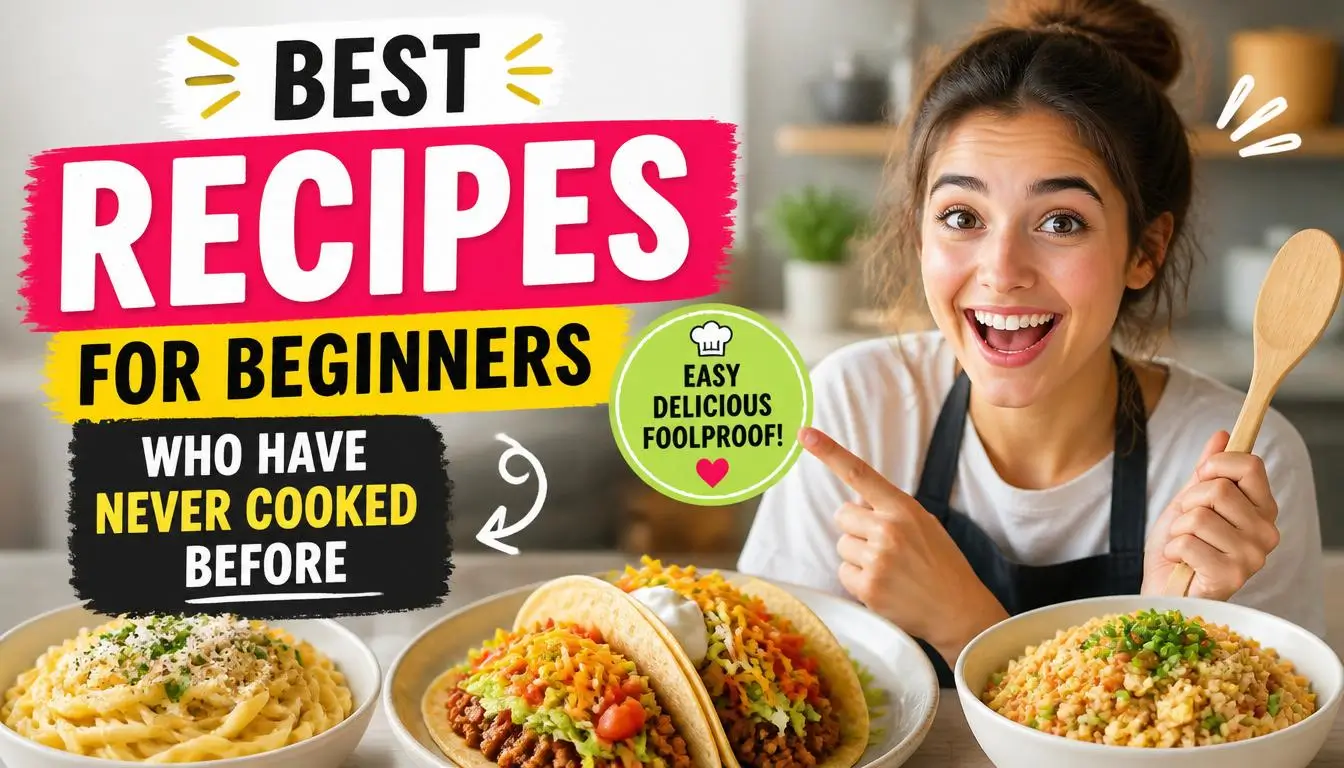
The best recipes for beginners who have never cooked before share one quality that most cooking content completely ignores: they are genuinely forgiving. A recipe that requires precise timing, multiple simultaneous components, or techniques that take months to develop is not a beginner recipe regardless of how many websites label it that way. I taught myself to cook entirely from scratch in my early twenties with no instruction beyond trial, error, and the occasional smoke alarm. What I learned is that the right first recipes build confidence through success rather than technique through struggle, and confidence is what turns someone who has never cooked into someone who actually cooks.
What Every Beginner Needs to Know Before Touching a Pan
Cooking skill builds on a small number of foundational concepts that most recipes assume you already know. Understanding these before you start saves more frustration than any individual technique tip.
Heat control is the single most important variable in cooking and the one that causes most beginner failures. High heat is not always better or faster. A pan that is too hot burns garlic in twenty seconds, overcooks eggs before the edges set, and chars the outside of chicken while leaving the inside raw. Most stovetop cooking happens at medium to medium-high heat, not maximum, and learning to trust a moderate flame is the first real cooking skill. Seasoning with salt throughout cooking rather than only at the end produces more flavorful food than any technique or ingredient upgrade. Salt at every stage, when the onions go in, when the protein is added, when the dish finishes, builds layered flavor that salt added only at the table never replicates. Mise en place, the French cooking term for having everything measured, chopped, and ready before cooking begins, prevents the specific beginner panic of realizing halfway through a recipe that something needs to be prepared that you have not started yet. Read the full recipe before touching anything. Prepare everything listed. Then cook.
1. Scrambled Eggs Done Properly
Scrambled eggs are universally considered a beginner recipe and almost universally made incorrectly, which is why most people eat rubbery, dry, overcooked eggs their entire lives and assume that is simply what scrambled eggs are. Perfect scrambled eggs are creamy, soft, and slightly underdone when they leave the pan because they finish cooking from residual heat.
Ingredients for one serving:
- 3 eggs
- 1 tablespoon butter
- 2 tablespoons milk or cream
- Salt and pepper
Crack the eggs into a bowl. Add milk, a generous pinch of salt, and pepper. Whisk until the yolks and whites are fully combined and the mixture looks uniform. Heat a small non-stick pan over medium-low heat. Add butter and let it melt completely without browning. Pour in the egg mixture. Leave it alone for fifteen seconds until the edges just begin to set. Using a spatula, gently push the cooked edges toward the center, letting liquid egg flow to the edges. Repeat this motion every ten to fifteen seconds. Remove the pan from heat while the eggs still look slightly wet and glossy. They will finish cooking from the heat of the pan. Salt once more if needed. The entire process takes three minutes and produces eggs that taste genuinely restaurant-quality. The specific failure to avoid is high heat and constant stirring, which produces the dry, rubbery result that gives scrambled eggs an undeserved bad reputation.
2. Pasta With Tomato Sauce From a Jar, Done Better
Using jarred pasta sauce is not cheating. It is efficient, and every working cook uses shortcuts that save time without meaningfully affecting the result. The technique below transforms a $3 jar of marinara into something that tastes considerably more homemade through three additional steps that take eight minutes.
Ingredients for two servings:
- 4 oz pasta, spaghetti or penne work well
- 1 jar of marinara sauce
- 3 garlic cloves minced
- Half teaspoon red pepper flakes
- Olive oil
- Salt
- Parmesan for serving
Bring a large pot of water to a boil. Add enough salt that the water tastes noticeably salty, this is the only opportunity to season the pasta itself. Add pasta and cook according to package directions minus one minute. Before draining, scoop out half a cup of pasta water and set aside. While pasta cooks, heat two tablespoons of olive oil in a separate pan over medium heat. Add garlic and red pepper flakes. Cook for 60 seconds until fragrant. Add the jarred sauce and stir to combine with the garlic oil. Let it simmer for five minutes. Add the drained pasta to the sauce pan along with a splash of pasta water. Toss everything together for one minute. The pasta water is the technique detail that makes the biggest visible difference: the starch it contains helps the sauce cling to the pasta rather than pooling at the bottom of the bowl.
3. Roasted Vegetables That Actually Taste Good
Roasting is the cooking method that most consistently converts people who claim not to like vegetables into people who eat them happily, because the high dry heat of an oven produces caramelization and concentration of flavor that boiling and steaming never achieve. Roasted broccoli tastes nothing like steamed broccoli, and the difference is entirely technique.
The universal roasted vegetable formula:
- Any vegetable cut into similar-sized pieces: broccoli, cauliflower, carrots, sweet potato, zucchini, bell pepper, Brussels sprouts
- Olive oil, enough to coat each piece lightly
- Salt and pepper
- Optional: garlic powder, paprika, parmesan, lemon juice after roasting
Preheat the oven to 425°F. Cut vegetables into pieces roughly the same size so they cook at the same rate. Toss on a baking sheet with enough olive oil to coat each piece, not drench it. Season generously with salt and pepper. Spread in a single layer with space between pieces. Crowding the pan causes steaming instead of roasting, which produces soft rather than caramelized results. Roast for 20 to 25 minutes, flipping once halfway through, until edges are browned and slightly crispy. The 425°F temperature is the specific detail that matters: lower temperatures produce soft vegetables without the caramelization that makes roasting worthwhile. Higher temperatures risk burning before the interior cooks through.
Best Recipes for Beginners Who Have Never Cooked Before: Proteins
Cooking protein correctly is where most beginners feel the most uncertain, and understandably so. Undercooked chicken is genuinely unsafe. Overcooked steak is a waste of money. The recipes below remove the guesswork from the two most common protein cooking situations a beginner will encounter.
Pan-Seared Chicken Breast
Chicken breast is the protein beginners cook most often and the one most often overcooked to dryness through a combination of high heat and anxiety about food safety. The specific technique below produces juicy chicken every time through a combination of even thickness, moderate heat, and resting time.
Ingredients for one serving:
- 1 chicken breast
- Salt, pepper, garlic powder, paprika
- 1 tablespoon olive oil
- 1 tablespoon butter
Place the chicken breast between two pieces of plastic wrap or in a zip-lock bag and pound with a rolling pin or heavy pan until the thickness is even throughout, about three-quarters of an inch. This single step is responsible for more consistently cooked chicken than any other technique because uneven thickness means thin parts overcook before thick parts are safe. Season both sides generously with salt, pepper, garlic powder, and paprika. Heat olive oil in a pan over medium-high heat. Add chicken and do not touch it for five minutes. Flip once. Add butter and cook four more minutes. Remove from pan and rest on a cutting board for five minutes before cutting. The resting period allows juices to redistribute through the meat rather than running out onto the cutting board the moment you cut into it.
Sheet Pan Salmon
Salmon is the most forgiving fish a beginner can cook because its high fat content provides a buffer against the overcooking that ruins leaner fish completely. Sheet pan preparation requires almost no technique and produces a complete protein component in twelve minutes.
Ingredients for one serving:
- 1 salmon fillet, 5 to 6 oz
- 1 tablespoon olive oil
- Salt, pepper, garlic powder
- Lemon slices
- Optional glaze: 1 tablespoon soy sauce mixed with 1 teaspoon honey
Preheat oven to 400°F. Line a baking sheet with foil for easy cleanup. Place salmon skin-side down on the sheet. Drizzle with olive oil, season with salt, pepper, and garlic powder. Add lemon slices on top. If using the soy-honey glaze, brush it over the top of the fillet. Bake for 12 to 15 minutes depending on thickness. Salmon is done when it flakes easily when pressed gently with a fork and the flesh has changed from translucent to opaque throughout. The foil lining is a practical beginner tip that has nothing to do with cooking quality and everything to do with cleanup: salmon skin sticks aggressively to unlined pans and creates a discouraging cleanup situation that makes beginners less likely to cook fish again.
4. Stir Fry With Whatever Is in the Fridge
Stir fry is the recipe format that produces the highest cooking confidence return for beginners because it is fast, visually satisfying, flexible in ingredients, and produces restaurant-quality results with basic technique once the heat and timing are understood.
The stir fry formula for two servings:
- 1 protein: 2 eggs, half a chicken breast sliced thin, or one cup of chickpeas
- 2 cups mixed vegetables cut into similar-sized pieces
- 2 tablespoons soy sauce
- 1 teaspoon sesame oil
- 1 teaspoon cornstarch dissolved in 2 tablespoons water
- 3 garlic cloves minced
- Cooked rice for serving
Have everything prepared and within arm’s reach before turning on the heat. Stir fry moves too fast to stop and prep mid-cook. Heat a large pan or wok over high heat until it is genuinely hot, a drop of water should evaporate immediately on contact. Add a tablespoon of neutral oil. If using chicken, cook it first for three minutes, remove and set aside. Add the harder vegetables to the empty pan, broccoli and carrot first. Cook two minutes without stirring much to get some char. Add softer vegetables and garlic. Cook one minute. Return protein if it was cooked separately. Add soy sauce and the cornstarch mixture. Toss everything together for thirty seconds until the sauce thickens and coats everything. Finish with sesame oil. The high heat distinction is what produces the slightly smoky, caramelized quality that separates a real stir fry from vegetables cooked in soy sauce. Most home stoves cannot reach wok-level temperatures, but maximum burner heat on the largest burner gets close enough.
5. Simple Soup From Scratch
Making soup from scratch sounds more ambitious than it actually is once you understand that the process is sequential and unhurried rather than technically demanding. A vegetable or chicken soup cooked at home tastes dramatically better than canned versions and costs less per serving than almost any other from-scratch meal.
Ingredients for four servings:
- 1 onion diced
- 2 carrots diced
- 2 celery stalks diced
- 3 garlic cloves minced
- 4 cups chicken or vegetable broth
- 1 can diced tomatoes
- 1 cup pasta or rice added in the last ten minutes
- Salt, pepper, dried thyme, dried oregano
- Optional: 1 cup shredded rotisserie chicken added at the end
Heat two tablespoons of olive oil in a large pot over medium heat. Add onion, carrot, and celery. Cook for seven minutes, stirring occasionally, until softened. This step is called building the base and is where the foundational flavor of the soup develops. Do not rush it by increasing the heat. Add garlic and dried herbs, cook one more minute. Add broth and tomatoes. Bring to a boil, reduce to a simmer, cook for fifteen minutes. Add pasta or rice and cook until tender. Add rotisserie chicken if using. Season generously with salt and pepper. Taste and adjust. Making soup is one of the first cooking contexts where a beginner learns the most important skill in all of cooking: tasting as you go and adjusting accordingly rather than relying entirely on the recipe to tell you when it is finished.
6. Basic Fried Rice
Fried rice is covered in the budget cooking context but deserves its place in a beginner recipe guide because the technique teaches three foundational skills simultaneously: high heat management, the importance of preparation before cooking, and how to work quickly without rushing.
Ingredients for two servings:
- 2 cups cold cooked rice, at least one day old
- 3 eggs
- 2 tablespoons soy sauce
- 1 teaspoon sesame oil
- 2 green onions sliced
- Frozen peas, half cup
- 3 garlic cloves minced
- Neutral oil for cooking
Have every ingredient measured, chopped, and within arm’s reach. This recipe takes eight minutes once the heat turns on, and there is no time to stop and prepare anything mid-cook. Heat a large pan over high heat. Add two tablespoons of oil. Add cold rice and press it flat. Leave it alone for 90 seconds. Stir and press again. Repeat once. Push rice to one side. Add a little more oil to the empty side. Add garlic, cook fifteen seconds. Crack eggs into the pan, scramble until nearly set, fold into rice. Add peas, soy sauce, and green onions. Toss everything together for one minute. Finish with sesame oil. The cold rice is the non-negotiable element: fresh rice contains too much moisture to fry correctly and produces a clumpy, wet result regardless of technique.
7. One-Pan Baked Chicken Thighs
Chicken thighs are the most forgiving protein a beginner can cook because their higher fat content makes them nearly impossible to dry out within a reasonable cooking range. They are also cheaper per pound than chicken breast and more flavorful. One-pan preparation means cleanup is minimal, which matters when you are just building the habit of cooking.
Ingredients for two servings:
- 4 bone-in skin-on chicken thighs
- Olive oil
- Salt, pepper, garlic powder, paprika, dried oregano
- Optional: sliced lemon, fresh garlic cloves, whatever vegetables can roast alongside
Preheat oven to 425°F. Pat the chicken thighs completely dry with paper towels. This step is critical and often skipped: moisture on the skin prevents browning and produces soft rather than crispy skin regardless of oven temperature. Drizzle with olive oil and rub the seasoning all over, including under the skin where you can reach. Place skin-side up in an oven-safe pan or baking dish. Add any vegetables around the chicken. Roast for 35 to 40 minutes until the skin is deeply golden and an instant-read thermometer inserted into the thickest part reads 165°F. Rest for five minutes before serving. An instant-read thermometer at $10 to $15 from Amazon is the single most useful beginner kitchen purchase for anyone cooking protein because it removes the guesswork about doneness that causes both food safety problems and overcooked dry results.
8. Banana Pancakes, Two Ingredients
Two-ingredient banana pancakes sound like a gimmick and deliver a genuinely good result: naturally sweet, protein-rich pancakes that require no flour, no sugar, and no leavening. They are also the most forgiving pancake recipe available because the banana provides both structure and moisture that the beginner errors of slightly wrong ratios or imprecise timing cannot significantly harm.
Ingredients for one serving, six to eight small pancakes:
- 1 ripe banana, the riper the better
- 2 eggs
- Optional additions: pinch of cinnamon, half teaspoon vanilla extract, tablespoon of nut butter mixed in
Mash the banana thoroughly in a bowl until almost no lumps remain. Add eggs and mix until fully combined. The batter will be thinner than standard pancake batter, which is correct. Heat a non-stick pan over medium-low heat. Add a small amount of butter or cooking spray. Pour small rounds of batter, about two tablespoons each. Cook for two minutes until the edges look set and small bubbles appear across the surface. Flip gently using a thin spatula and cook one more minute. These pancakes are more delicate than flour-based versions and require a thin spatula and patience rather than the aggressive flip that works with standard batter. Serve with maple syrup, nut butter, or fruit. The medium-low heat is the specific instruction that prevents the burning that happens to these naturally sugar-rich pancakes at higher temperatures.
Building Beginner Kitchen Confidence Week by Week
Cooking confidence builds through repetition of a small number of recipes rather than constant exploration of new ones. The approach that consistently produces capable home cooks fastest is mastering five to eight recipes completely before adding new ones.
Cook the same five recipes on rotation for a month. Learn them well enough that you stop consulting the recipe and start making adjustments based on taste and preference. Once those five feel automatic, add one or two new recipes. Then repeat. A person who can make twenty recipes reliably and adjust them instinctively is a significantly more capable cook than one who has attempted sixty recipes with mixed results and retained confident mastery of none.
The equipment that makes the biggest practical difference for beginners without requiring significant investment:
- One good chef’s knife at $30 to $50 from Victorinox or Mercer Culinary dramatically reduces prep time and improves safety compared to dull knives that require force and slip unpredictably
- One non-stick skillet at $25 to $40 handles eggs, pancakes, fish, and quick sautéed dishes without the sticking that discourages beginners from repeating attempts
- An instant-read thermometer at $10 to $15 removes protein cooking uncertainty completely
- A sheet pan with a rim at $15 to $20 handles roasted vegetables, sheet pan dinners, and baked proteins with no additional equipment
Everything else builds gradually as specific needs arise from specific recipes rather than as a speculative upfront investment that may or may not match the cooking you actually do.
Frequently Asked Questions
What are the best recipes for beginners who have never cooked before that require almost no equipment?
Scrambled eggs require only a pan, a spatula, and a bowl. Two-ingredient banana pancakes need the same. Pasta with jarred tomato sauce requires a pot and a pan. Roasted vegetables need only a baking sheet and an oven. These four recipes cover breakfast, lunch, and dinner with equipment that even the most minimally equipped kitchen almost always already has.
How do I know when oil is hot enough to start cooking?
For most stovetop cooking, the oil is ready when a small piece of the food you are cooking sizzles immediately on contact with the pan. For a more precise test, hold your hand six inches above the pan surface: you should feel heat radiating within three to four seconds if the temperature is appropriate for medium-high cooking. Alternatively, add a small drop of water to the pan: if it evaporates immediately, the pan is hot enough for most sautéing applications.
Why does my food stick to the pan even when I use oil?
Two most common causes: the pan was not hot enough before adding food, which allows the proteins in meat or eggs to bond with the pan surface before releasing, or the food was moved too soon. Most proteins release naturally from a pan once they have developed a proper sear. Leave chicken, fish, or eggs alone for the time specified in the recipe before attempting to move them, and they will release without sticking. A quality non-stick pan eliminates this problem entirely for eggs and delicate proteins.
How do I make food taste better without a lot of ingredients?
Salt, acid, and fat are the three variables that control flavor perception more than any specific ingredient. Food that tastes flat is almost always undersalted, lacking acidity from lemon juice or vinegar, or insufficiently enriched with butter or olive oil. Taste your food before serving and add a squeeze of lemon, a pinch more salt, or a small knob of butter. The improvement is frequently dramatic and costs almost nothing. This single habit separates cooks who produce reliably delicious food from those who follow recipes precisely and remain mystified by why restaurant food tastes better.
What should a beginner cook first to build confidence fastest?
Scrambled eggs cooked correctly, using the low-heat, patient method described above, is the single best first recipe for building beginner confidence because the technique is learnable in one session, the feedback is immediate, and the improvement from the first attempt to the third is dramatic enough to feel genuinely exciting. Success with scrambled eggs demonstrates that cooking technique, not special ingredients or innate talent, is what produces good food, which is the foundational belief that every subsequent cooking success builds on.
Conclusion
Cooking is a skill that rewards repetition more than talent, and the gap between never having cooked and cooking well enough to genuinely enjoy feeding yourself closes faster than most beginners expect once the right starting recipes remove the intimidation from the first few attempts. Pick one recipe from this list, cook it twice this week, and notice how much easier the second attempt feels than the first. That improvement between attempt one and attempt two is the whole story of learning to cook. Which recipe are you starting with?